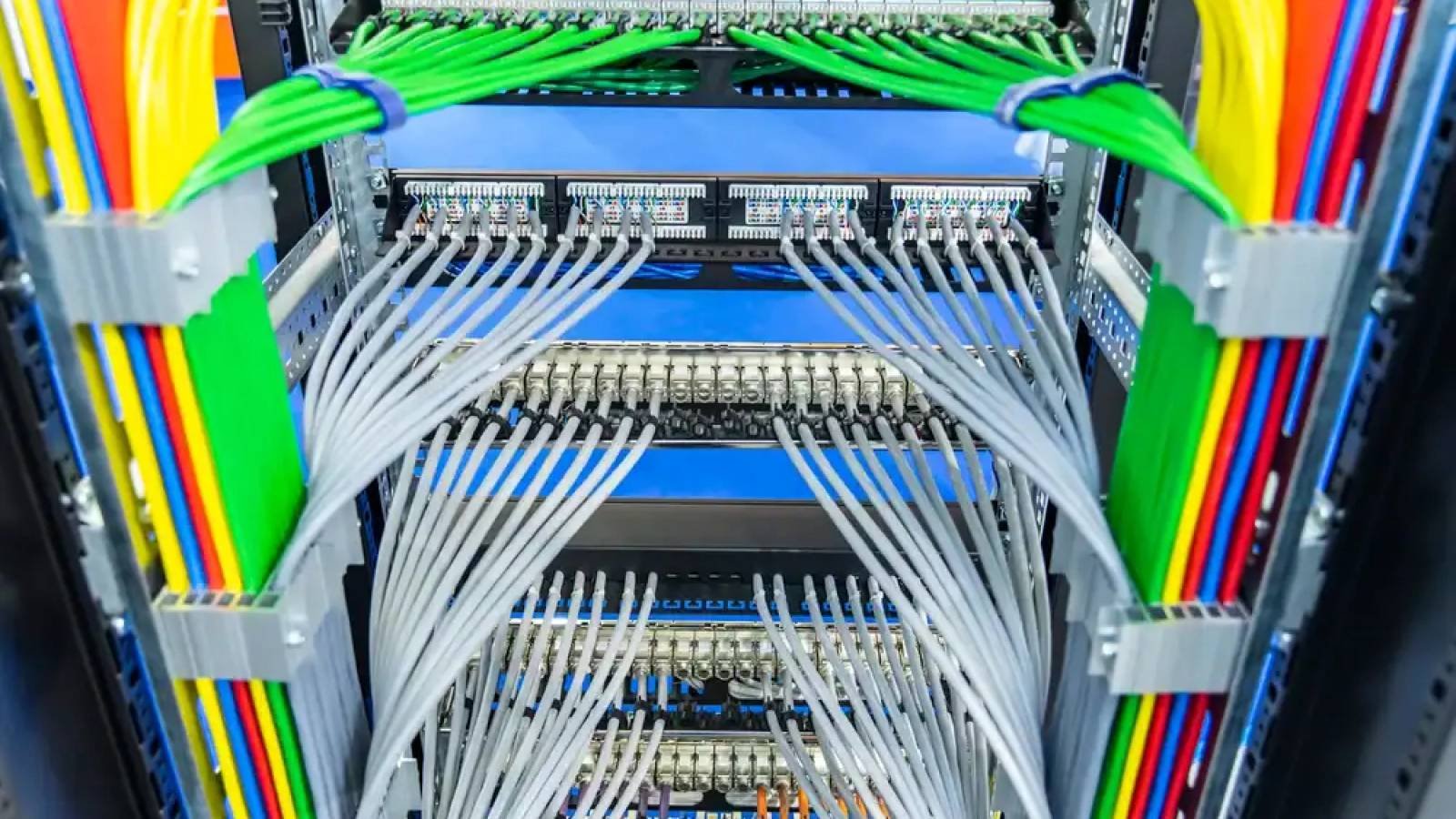
What is Structured Cabling?
Structured cabling is an organized system of cables, connectors, patch panels, racks, and related hardware that forms the backbone of an organization’s network infrastructure.
Unlike point-to-point cabling, structured cabling follows industry standards and provides a flexible, scalable, and manageable network environment. It supports multiple hardware uses and can accommodate future upgrades without requiring complete infrastructure replacement.
Why Structured Cabling Matters
1. Improved Network Performance
A properly designed structured cabling system minimizes signal interference and ensures efficient data transmission. Businesses experience faster connectivity, improved network reliability, and fewer communication disruptions.
2. Simplified Management
When cables are organized and labeled correctly, IT teams can easily identify, troubleshoot, and maintain network components. This reduces downtime and improves operational efficiency.
3. Scalability for Business Growth
As organizations grow, network requirements increase. Structured cabling allows businesses to add new devices, users, and technologies without major infrastructure changes.
4. Reduced Downtime
Network failures can significantly impact productivity. Structured cabling helps prevent connectivity issues and enables faster troubleshooting when problems occur.
5. Cost-Effective Infrastructure
Although the initial investment may be higher than traditional cabling methods, structured cabling reduces long-term maintenance costs and eliminates the need for frequent upgrades.
Key Components of Structured Cabling
Horizontal Cabling
Connects workstations and end-user devices to telecommunications rooms.
Backbone Cabling
Provides connectivity between different floors, buildings, or data centers.
Patch Panels
Centralized connection points that simplify cable management.
Network Racks
Organize networking equipment, servers, and patch panels efficiently.
Fiber Optic Cabling
Delivers high-speed connectivity and supports long-distance communication.
Copper Cabling
Commonly used for local area networks and everyday business connectivity.
Industries Benefiting from Structured Cabling
Enterprise Organizations
Support large-scale networking and communication requirements.
Educational Institutions
Enable smart classrooms, digital learning, and campus-wide connectivity.
Healthcare Facilities
Provide reliable connectivity for critical healthcare applications.
Manufacturing Industries
Support automation, monitoring systems, and industrial communication.
Government Organizations
Ensure secure and reliable network infrastructure for public services.
Future-Proofing Your Business
Technology continues to evolve rapidly. Businesses adopting cloud computing, IoT devices, artificial intelligence, and smart building technologies require robust network infrastructure.
Structured cabling provides the flexibility to support emerging technologies while minimizing future upgrade costs.
Conclusion
Structured cabling is a strategic investment that supports business growth, enhances network performance, and simplifies IT management. Organizations that prioritize a well-designed cabling infrastructure gain greater reliability, scalability, and long-term operational efficiency.
As businesses continue their digital transformation journey, structured cabling remains the foundation upon which modern technology environments are built.